
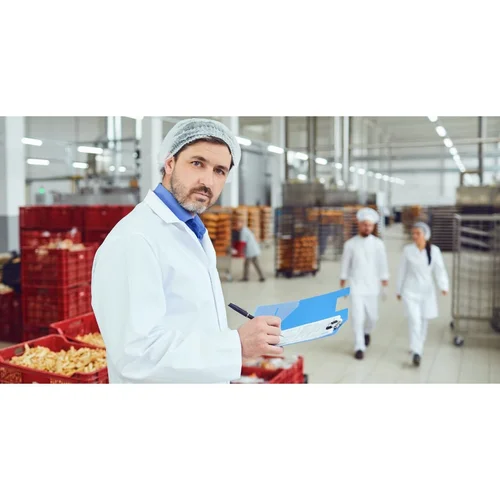
Fresh Food Processor
Maximizing Labor Productivity: Delta Driver's Impact on Food Manufacturing with Data
Challenge
Addressing WIP Build-Up and Inefficient Labor Utilization
Excessive Work in Progress (WIP): Large build-up of WIP across five preparation areas, taking up valuable space and causing congestion.
Inefficient Movement: Overcrowded staging area leads to unnecessary movement of materials and difficulty in locating completed orders.
Waiting Times: Delays in supplying batch tanks due to inefficiencies in the staging area, impacting overall production timelines.
Imbalanced Labor Utilization: Each prep department staffed as if operating at full capacity, leading to overproduction of WIP and inefficient labor use when demand fluctuates.
Overall Process Inefficiencies: Overproduction and lack of coordination across prep areas result in inefficiencies in movement, staging, and labor usage, hindering optimal productivity.
Solution
Deploying Data-Driven Tools to Align Labor with Demand
Data-Driven Labor Optimization: Historical data established efficient man hours per pound to match production demand.
Optimized Production Schedule: Production was divided into sections based on 24 batch tanks, adjusting staffing needs per department rate.
Labor Reallocation: A "Labor Guide" aligned labor with the production schedule, reallocating staff as needed.
Staging Area Improvement: Staging area structure minimized search and movement inefficiencies, streamlining workflow.
Controlled Production Rate: Adjusted production rate eliminated overproduction and underutilization of labor, reducing waste.
Results
Reducing Waste and Unlocking Major Labor Cost Savings
Significant WIP Reduction: Average work in progress (WIP) decreased by 50%, addressing the main source of inefficiency and streamlining operations.
Improved Labor Efficiency: Headcount reduced by 20%, optimizing labor allocation and usage based on production needs. ($750,000 savings)
Enhanced Scheduling: On-time schedule completion rate increased by 10%, indicating smoother workflow and reduced delays.
Resource Optimization: Achieved a more efficient balance between labor and production rates, leading to reduced waste and better use of resources.
Positive Impact on Productivity: The combination of data-driven solutions and streamlined processes resulted in a more efficient and productive front-end manufacturing operation.
Continue Exploring Value Creation
Back to Value Creation Engagements
More Value Creation Success Stories
Building a Flexible Manufacturing & Supply Chain Model for Pet Nutrition
Network Optimization Success Story: Tier 1 Automotive Lighting Supplier
Optimizing Performance in the Convenience Store Channel
Benchmark Driven Feasibility Study for International Relocation
Visual Insights Powering Operational Transformation
Dashboard-Driven Optimization: Elevating Foundry Productivity with Delta Driver
Dashboard-Driven Labor Control: Delta Driver LLC's Innovative Approach
Dashboard-Driven Labor Control: Delta Driver LLC's Innovative Approach
From Virtual to Vital: Accelerating Market Entry with Digital Twin Simulation
Driving Bakery Efficiency; Dashboard Insights to Reduce Material Waste