
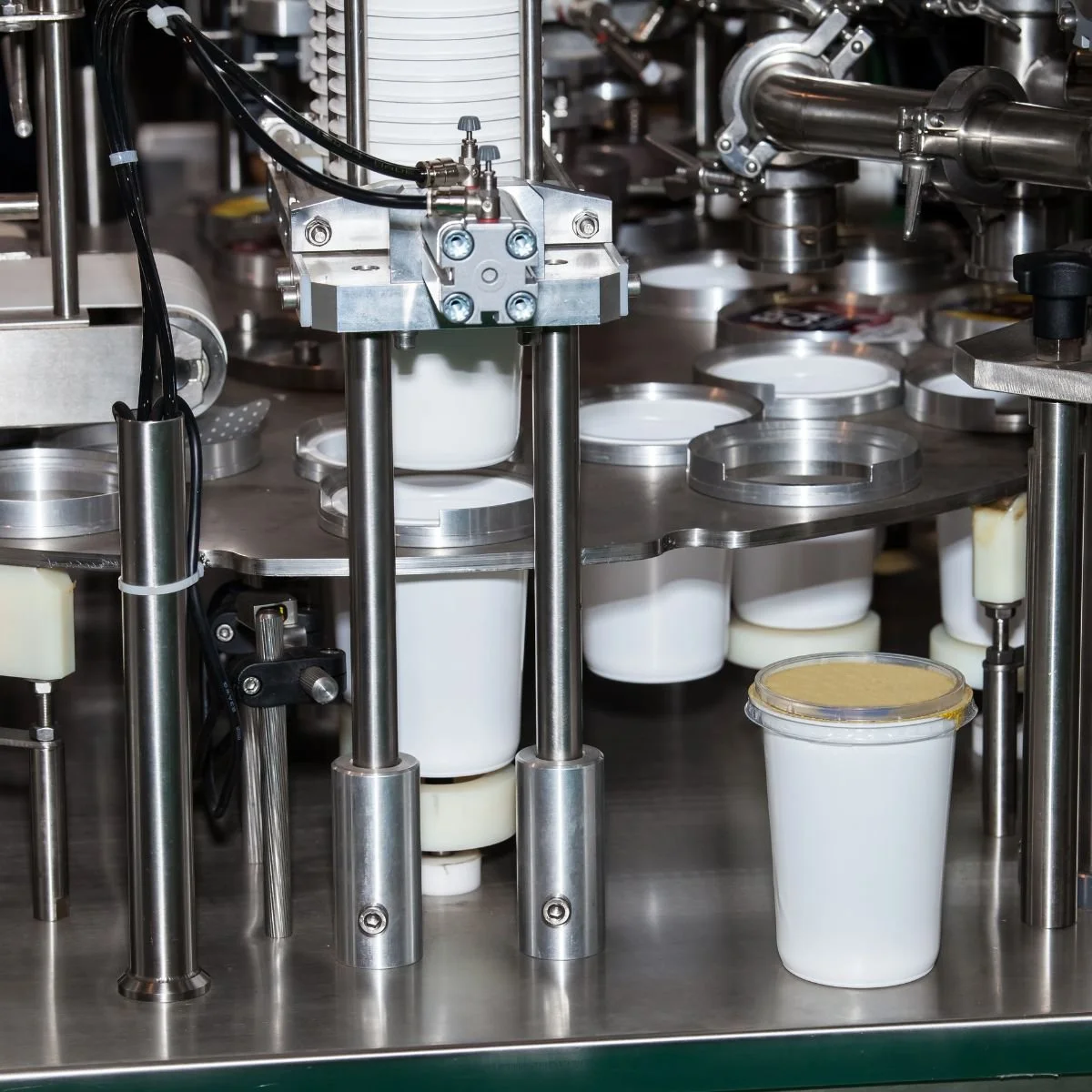
Resolving Common Cause Variation in Yogurt Manufacturing
Resolving Yogurt Sealing Challenges: Root Cause Analysis and DMAIC Solutions
Challenge
The organization faced persistent sealing defects that could not be resolved through isolated changes to materials or machine settings. A lack of holistic system evaluation led to misdiagnosis of the root cause, while quality standards continued to be missed. These issues created significant business risk, including potential recalls and loss of customer trust.
- Persistent Package Sealing Quality Issues: Despite changing heat sealers, foil, and cup materials, and experimenting with heat parameters, the sealing problems persisted.
- Lack of Systemic Evaluation: The client did not assess the entire system holistically, missing the root causes of the quality defects.
- Common vs. Special Cause Variation: The client assumed variable isolation would resolve the issues without distinguishing between common and special cause variations.
- Quality and Performance Metrics: The company’s high quality standards and capability thresholds were not met, risking their scorecard success.
- Business Risks: Continued issues threatened brand loyalty, increased recall risk, and potential market share erosion, with millions of dollars at stake.
Solution
Delta Driver applied a holistic, data-driven approach to evaluate the entire system and identify the true root cause of defects. By analyzing operational conditions and machine behavior, the team uncovered that start-stop mechanical variation—not sealing parameters—was driving the issue. Stabilizing operations and eliminating tampering resolved the defect pattern.
- Holistic System Evaluation: Defined key input and output variables from a comprehensive system viewpoint to address the quality issues.
- Data-Driven Analysis: Utilized data to identify variables linked to customer complaints about leakers and hard-to-open seals.
- Root Cause Identification: Discovered that mechanical issues, other than heat sealing, during equipment stopping and starting were the root causes of the incidents.
- Continuous Operation: Found that running the equipment continuously eliminated customer complaints, highlighting the tampering effect on heat sealer parameter settings.
- Efficiency Focus: Concentrated on maintaining efficient operations, which resolved the seal issues and reduced customer complaints.
Results
The intervention improved machine reliability, increased capacity, and eliminated the root cause of sealing defects. Operational stability reduced risk and restored confidence in production performance. The insights were institutionalized within the QMS, enabling broader application across the organization.
- Improved Utilization: The machine's performance enhancements increased its utilization, making it comparable to other production lines in the plant.
- Increased Capacity: Focus on performance led to a significant boost in production capacity.
- Risk Mitigation: Enhanced machine reliability mitigated millions of dollars in potential risks related to brand loyalty, recalls, and market share erosion.
- Confidence Boost: Improved performance instilled greater confidence in the machine's capabilities among the team.
- Systemic Improvements: Lessons learned were integrated into the Quality Management System (QMS) and applied to other productivity and quality challenges across the organization.
Continue Exploring Value Creation
Back to Value Creation Engagements
More Value Creation Success Stories
Building a Flexible Manufacturing & Supply Chain Model for Pet Nutrition
Maximizing Labor Productivity: Delta Driver's Impact on Food Manufacturing with Data
Network Optimization Success Story: Tier 1 Automotive Lighting Supplier
Optimizing Performance in the Convenience Store Channel
Benchmark Driven Feasibility Study for International Relocation
Visual Insights Powering Operational Transformation
Dashboard-Driven Optimization: Elevating Foundry Productivity with Delta Driver
Dashboard-Driven Labor Control: Delta Driver LLC's Innovative Approach
From Virtual to Vital: Accelerating Market Entry with Digital Twin Simulation
Driving Bakery Efficiency; Dashboard Insights to Reduce Material Waste